Common Septic Tank Problems Homeowners Face
The four most common septic tank issues on Central West properties are leaks, blocked pipes, baffle damage, and outlet failure. Each has its own warning signs and its own repair path.
- Cracks or holes in the tank wall, usually from age, ground movement, or root pressure, leading to slow groundwater contamination
- Blocked or broken inlet/outlet pipes, often caused by tree roots or settling, leading to backups indoors
- Damaged baffles, which let solids escape into the drain field and accelerate trench failure
- Outlet filter or distribution box failure, leading to uneven loading of the drain field trenches
Most of these are repair candidates, not replacement candidates, when caught early.
Types of Septic Tank Repairs and What They Involve
Septic system repair services from a licensed plumber typically fall into four categories, each with a different scope and cost.
- Septic tank leak repair seals cracks and small holes with concrete patching or specialist epoxy. Suitable for minor structural damage.
- Broken septic tank repairs address larger cracks, lid damage, or wall failures. May involve partial excavation and structural reinforcement.
- Septic tank pipe repairs replace cracked or root-damaged inlet/outlet pipes through short section replacement, with the affected ground reinstated after.
- Baffle and outlet filter replacement restores correct effluent flow without touching the tank itself, usually a half-day job.
The right repair depends on the CCTV findings, the tank material, and the system age.
Signs Your Septic Tank Needs Repair Now
Five warning signs almost always mean a repair is overdue:
- Slow drains across multiple fixtures at the same time
- Gurgling toilets when other water is in use
- Sewage smell indoors or near the tank or drain field
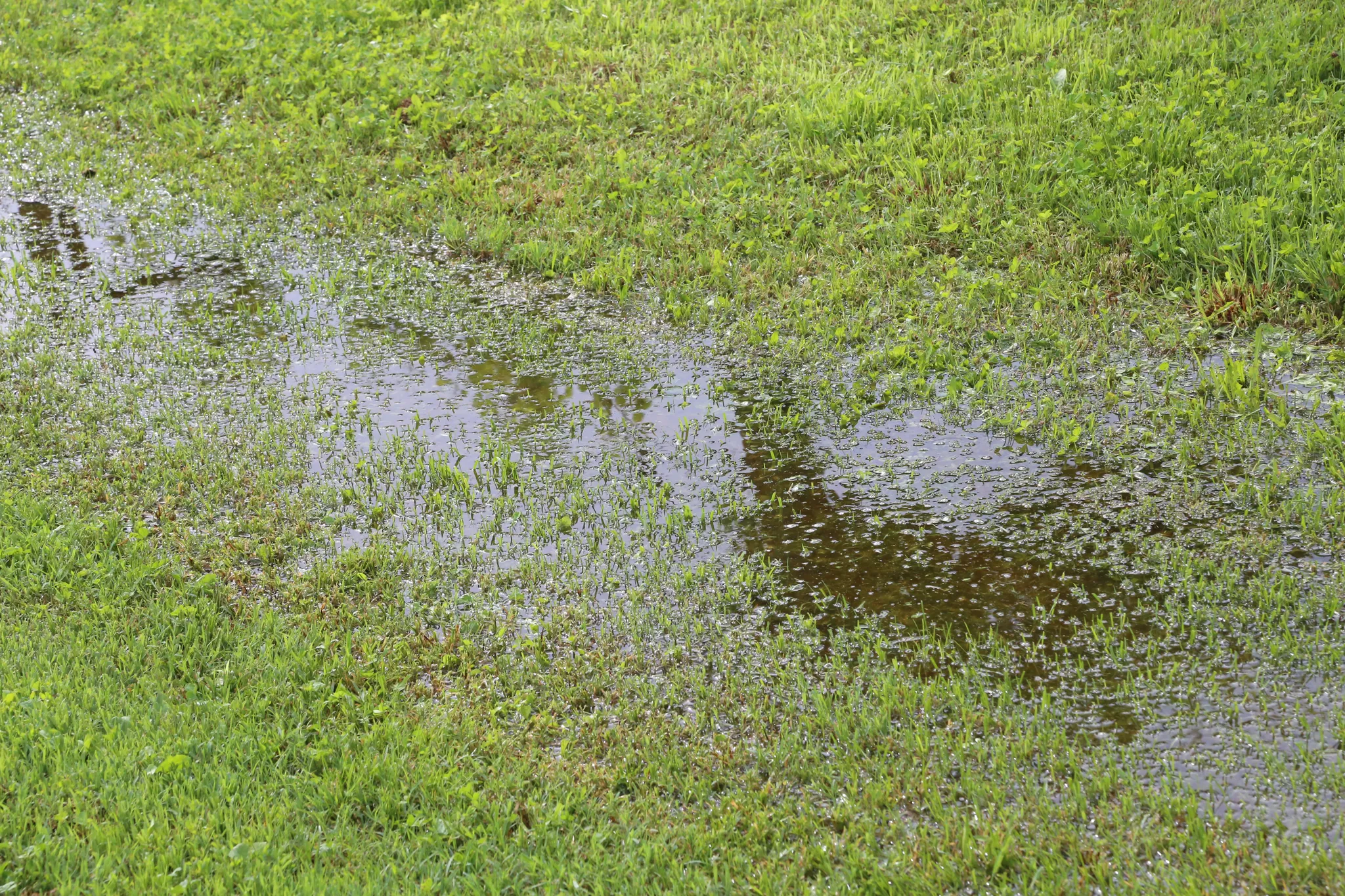
- Wet patches or unusually green grass above the drain field, even in dry weather
- Pooling water or sewage above the tank lid or trench area
Any of these mean book a service visit this week. Waiting almost always increases the repair scope.
Repair vs Replacement: How to Decide
Repair is usually the right call when the tank shell is sound and the damage is localised. Replacement is the right call when the tank is old, the shell has multiple failures, or the drain field has failed.
| Situation | Best option | Typical cost band |
|---|---|---|
| Single crack in sound tank | Repair (leak repair) | Low |
| Cracked inlet/outlet pipe | Repair (pipe repair) | Low to medium |
| Damaged baffle or filter | Repair (component replacement) | Low |
| Multiple shell failures | Replacement | High |
| Tank 30+ years old, failing | Replacement | High |
| Drain field saturated or failed | Drain field rebuild + tank review | High |
Council rules also play a role here. Replacing rather than repairing may be required if the system no longer meets current standards.
What to Expect During a Septic Tank Repair Visit
A typical repair visit takes half a day to two days depending on the fault and access. The sequence is consistent across most jobs.
- Step 1: CCTV inspection to confirm the exact fault
- Step 2: Pump-out if needed to access the tank interior or affected pipework
- Step 3: Excavation only over the affected section, not the whole system
- Step 4: Repair work (patching, pipe replacement, baffle install, etc.)
- Step 5: Test, refill, and reinstate the site with a service report, certification, and any required council notification
Reputable repair work comes with a written report and an updated next-service date so the household knows where the system stands.
Why DIY Septic Repair Is Genuinely Dangerous
DIY septic repair is one of the few household jobs where the safety risks are immediate and serious, not just regulatory.
Three real reasons not to DIY:
- Septic gases (methane, hydrogen sulphide) can cause unconsciousness or death within seconds in a confined tank space
- Tank lids and walls can collapse under foot or vehicle load, especially when weakened by the fault you are trying to fix
- Unlicensed repair work is not legal in NSW and can void the property’s certification, affecting future sale
When repair is needed, book a licensed septic plumber who arrives with the safety equipment required for confined-space entry and the council knowledge to keep the system compliant.
Frequently Asked Questions
Q: How much do septic tank repairs cost in Dubbo?
A: Most minor repairs (leaks, pipe sections, baffles) are quoted upfront after CCTV inspection and sit at the lower end of the cost band. Major repairs or partial tank rebuilds cost more but are still well below the cost of full replacement.
Q: How long does a septic tank repair usually take?
A: Half a day to two days for most repairs. Simple component replacements are same-day; structural repairs with pump-out and excavation take longer.
Q: Should I repair or replace my old septic tank?
A: Repair if the tank shell is sound and the fault is localised. Replace if the tank has multiple failures, is over 30 years old, or no longer meets current NSW standards.
Q: Can a septic tank be repaired without digging up the lawn?
A: Sometimes. Internal baffle and filter work can be done with minimal excavation, and pipe repairs only need digging over the affected section. Structural shell repairs require some excavation around the affected section, though full-yard excavation is rare.
Q: Will my septic system need council approval after repair?
A: Minor repairs usually do not. Structural repairs, drain field work, or any change to the system size or type require council notification and a licensed plumber’s certification.
Q: What documentation should I get after a septic repair?
A: A licensed septic plumber should leave you with a written service report, certification for any structural or drain field work, and a copy of any council notification lodged. These documents matter for property sale due diligence, future servicing, and any insurance claim against the system.
Q: Are repairs different for aerated wastewater treatment systems?
A: Yes. AWTS units like FujiClean have blower, pump, and aerator components that traditional septic tanks don’t, plus quarterly servicing and council reporting requirements. Repairs often involve electrical and mechanical parts as well as the tank, so service visits and documentation take longer.
Septic tank repairs done early and correctly almost always cost less than a single year of running a failing system. Catching the warning signs, choosing the right repair scope, and working with a licensed local plumber turns a five-figure problem into a manageable one. Replacement is sometimes the right call, but it is almost never the only option.
Need a septic tank repair in Dubbo or the Central West?
Phone Matt Diamond Plumbing on (02) 6884 1531 or make an online enquiry. Matt Diamond Plumbing has worked the Central West since 2006, fully licensed (Licence No. 186799C) and a Master Plumbers member with specialist septic systems expertise across Dubbo, Wellington, Narromine, Gilgandra, Warren, and surrounding areas. Full diagnosis, repair, and council certification in one team.