Why Proper Septic System Installation Matters
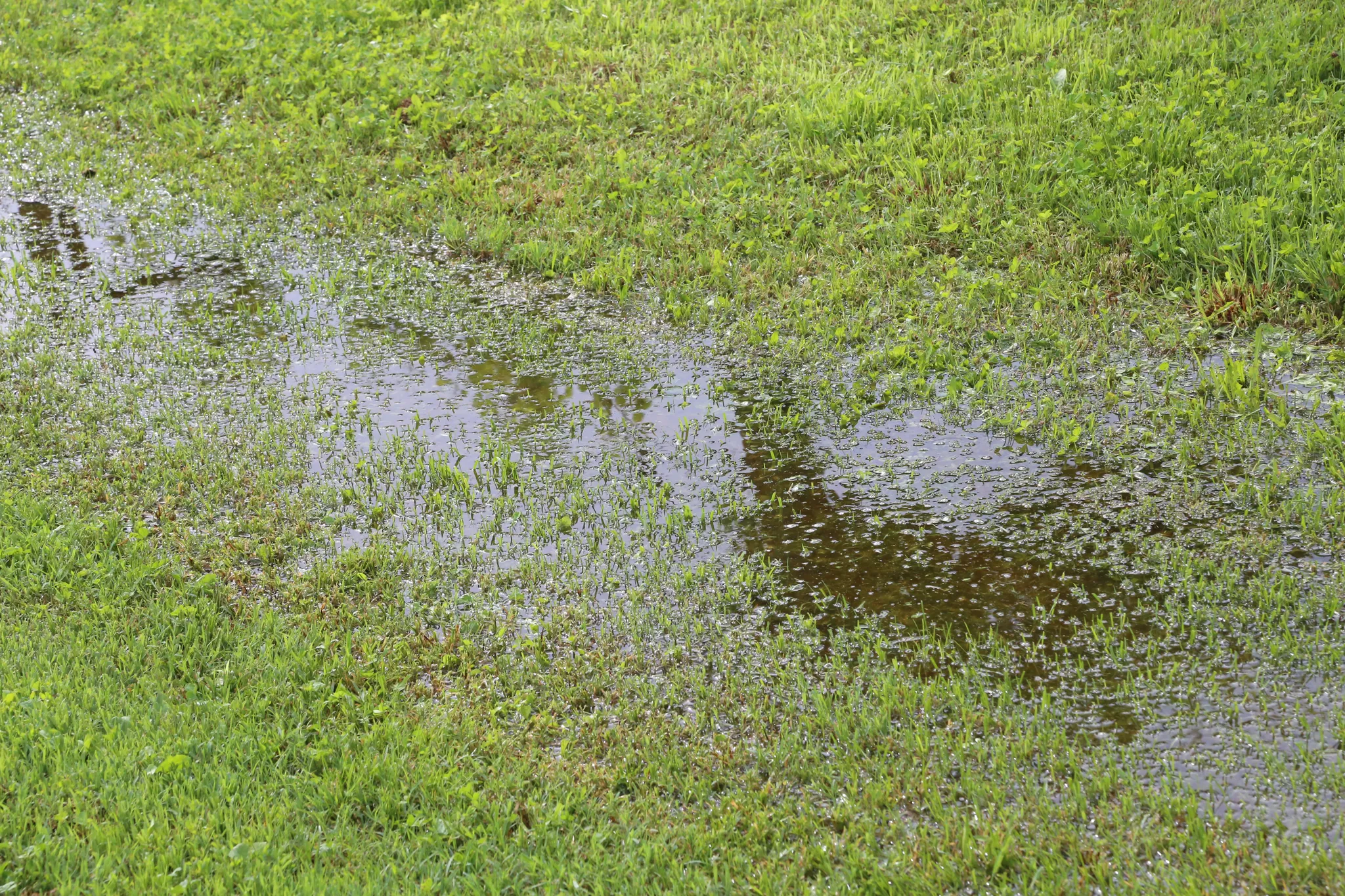
A correctly installed septic system safely treats and disperses all household wastewater on the property, with no contamination of soil, groundwater, or neighbouring land. The difference between a 5-year failure and a 40-year system almost always comes down to four decisions made before excavation starts.
The four decisions that matter most:
- Site and soil evaluation to confirm the land can absorb the treated effluent
- System sizing based on bedrooms, fixtures, and peak household load
- Tank and drain field placement relative to bores, dams, slopes, and boundaries
- Contractor selection with documented experience in Central West soil and council requirements
Five Common Mistakes During Septic System Installation
Most early septic failures in the Dubbo region trace back to one of five preventable mistakes.
- Skipping the soil and site evaluation. Clay soils, rock shelves, and high water tables behave very differently. A percolation test costs a fraction of what a failed drain field costs to rebuild, and the result usually decides whether the council will let you install a conventional septic or require an AWTS.
- Choosing an inexperienced septic system contractor. Unlicensed or unproven installers often cut corners on bedding, backfill, and pipe falls, which causes settling and pipe failure within years.
- Undersizing the system. A 3-bedroom-rated tank on a 5-bedroom house will overflow under peak load. The fix is almost always a full replacement, not an upgrade.
- Poor placement of the tank and drain field. Too close to a bore, dam, boundary, or driveway causes contamination, council fines, and access problems for future pumping.
- No long-term maintenance plan built in. Tanks need pumping every 3–5 years and inspection annually. Systems installed without service access usually fail early because they cannot be maintained.
How to Avoid These Mistakes
The whole sequence can be done right with five planning steps before any equipment arrives on site.
- Book a licensed plumber to assess the site before you commit to a system type or layout
- Get a soil percolation test to confirm the drain field design and size
- Match the tank to the household (number of bedrooms, dishwashers, and fixtures, plus 20% headroom for guests and future expansion)
- Hire professional septic installation with documented Central West experience and current licence numbers, not the cheapest quote
- Plan service access for the lid, baffles, and inspection ports so pumping and inspections are straightforward for the next 30 years
Installation Done Right vs Done Wrong
| Stage | Done right | Done wrong |
|---|---|---|
| Site evaluation | Percolation test + soil report | Visual only |
| Sizing | Bedrooms + fixtures + buffer | Generic 3-bedroom default |
| Placement | Council setbacks confirmed | Assumed setbacks |
| Contractor | Licensed, local, referenced | Cheapest quote, no referees |
| Service access | Accessible lids and ports | Buried or paved over |
| Expected lifespan | 25–40 years | 5–10 years |
Why Local Septic System Contractors Get It Right
Local contractors who install septic systems regularly across Dubbo, Wellington, Narromine, Gilgandra, and Warren know how Central West soil, slopes, and seasonal rainfall behave. They also know what council inspectors want to see at every approval stage, which speeds the certification process and prevents redo work.
Matt Diamond Plumbing has worked across the Central West since 2006. The team is fully licensed (Licence No. 186799C), a Master Plumbers member, and handles septic systems, septic tank installation, repairs, and ongoing septic tank services for rural and town properties alike.
Frequently Asked Questions
Q: How long does a septic system installation actually take?
A: Most residential septic installations take 3 to 7 working days on site, plus the lead time for soil testing, design approval, and council certification. Complex sites with rock or sloping ground can take longer.
Q: Do I need council approval for a new septic system in Dubbo?
A: Yes. All new and replacement septic systems in NSW require approval from your local council, and for new builds Dubbo Regional Council requires the install approval before the Construction Certificate is issued. Your installer should handle the application and lodge the certification paperwork after final inspection.
Q: How do I know what size septic tank I need?
A: The size is based on the number of bedrooms, the number of water-using fixtures, and any future expansion plans. A licensed installer will calculate this against AS/NZS 1547 requirements and add a sensible buffer for peak load.
Q: Can I install a septic system myself to save money?
A: No, and it’s not just about the upfront cost. Septic installation is licensed plumbing work in NSW, so a DIY install can’t be legally certified, which means the property can’t be signed off as habitable. If it fails later, you’ll pay for the redo plus soil remediation, and that almost always costs more than getting it done properly the first time.
Q: What is the difference between a conventional septic system and an aerated wastewater system?
A: A conventional septic tank uses bacterial action and a drain field to disperse effluent. An aerated wastewater treatment system (AWTS) treats effluent to a higher standard using air and biological filtration, which makes it suitable for smaller blocks or clay-heavy soils where a standard drain field wouldn’t cope. For new builds in NSW the choice often isn’t entirely yours: site conditions, soil test results, and council policy decide which system the property can have, with AWTS increasingly required on smaller or environmentally sensitive blocks. AWTS also needs quarterly servicing by a licensed technician (with reports lodged to council) rather than the 3 to 5 year pump-out cycle of a conventional system.
A septic system installation done properly is genuinely a once-in-a-lifetime job for most rural properties. Spending a bit more on soil testing, correct sizing, and a licensed local contractor is the difference between 30+ years of trouble-free service and a costly rebuild inside a decade. The five mistakes above are all preventable with planning.
Planning a new septic system in Dubbo or the Central West?
Phone Matt Diamond Plumbing on (02) 6884 1531 or make an online enquiry. Our licensed team covers Dubbo, Wellington, Narromine, Gilgandra, Warren, and surrounding areas, and handles the full process from soil assessment to council certification.