Quick summary: Rural properties usually choose between a sewer connection, a traditional septic system, or an aerated wastewater treatment system (AWTS). Septic systems are simple and cheap to run but need space and healthy soil. An AWTS treats waste to a higher standard on smaller blocks, but needs servicing every few months and council approval to operate. The right pick comes down to your block, your soil, and your budget.
The Three Main Wastewater Options
- Sewer connection: if the town sewer reaches your block, you simply connect and the council handles treatment. The least hands-on option, but it is not available on most rural land.
- Traditional septic system: a tank settles the solids and a drainage field lets the treated liquid soak away into the soil. Simple, passive, and cheap to run, but it needs room and suitable ground.
- Aerated wastewater treatment system (AWTS): pumps air through the waste to treat it to a higher standard, producing cleaner effluent you can reuse on the garden. Great for tighter or trickier sites, but it runs on power and needs regular servicing.
Traditional Septic vs AWTS at a Glance
| Feature | Traditional septic | Aerated system (AWTS) |
|---|---|---|
| Treatment | Passive, soil-based | Powered, higher standard |
| Running cost | Low | Power plus regular servicing |
| Servicing | Pump-out every few years | Typically every three months |
| Effluent reuse | Limited | Garden irrigation |
| Best suited to | Larger blocks, good soil | Smaller or sensitive sites |
Staying Compliant: Maintenance and Council Rules
This is where the two systems really differ. A traditional septic system mainly needs a pump-out every few years, plus an eye on sludge levels and the health of the drainage field. An AWTS is more hands-on: it usually needs servicing every three months to keep the pump and mechanics working, and owners hold an approval to operate from their council.
On-site wastewater in New South Wales is regulated by both NSW Health and your local council. NSW Health accredits the systems that are allowed to be installed (see NSW Health on-site wastewater), while the approval to install and operate a system comes from your local council, which for our area is Dubbo Regional Council. Skipping servicing or reporting can put that approval at risk.
Not sure which system suits your block? A quick chat can save an expensive mistake. Give the team a call or send through an online enquiry.
How to Choose the Right System for Your Block
Ask yourself:
- Is a sewer connection actually available at your property?
- Do you have the room and the right soil for a drainage field?
- Are you happy to budget for servicing every few months if you go with an AWTS?
- How much ongoing compliance are you comfortable managing?
A proper site and soil assessment is the honest starting point, since your ground conditions decide what will actually work. From there, matching the system to your block and your budget is the easy part.
Why Rural Dubbo Owners Trust Matt Diamond Plumbing
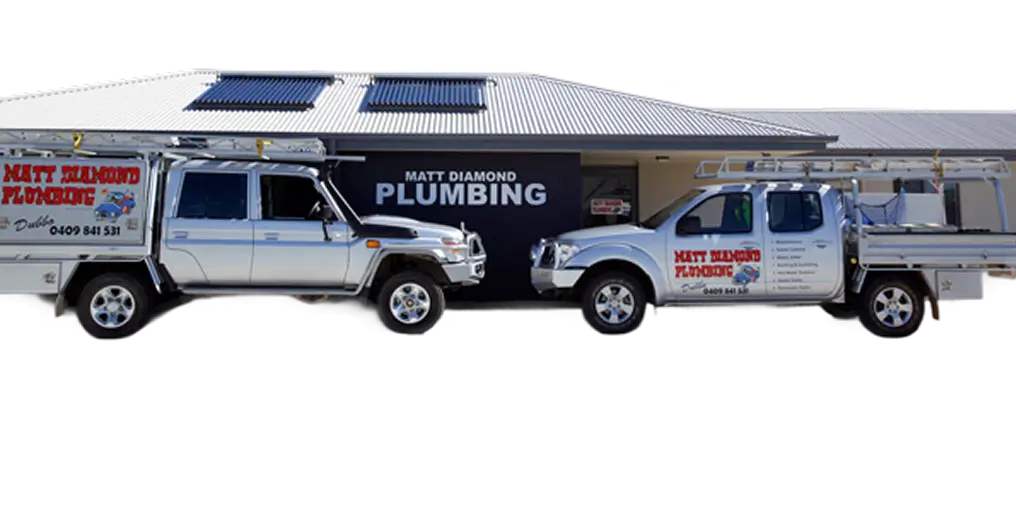
Matt Diamond Plumbing are local septic and wastewater specialists, family-owned in Dubbo since 2006. We install and service systems to Australian Standards, work with trusted units like FujiClean, and can help you through the council paperwork that trips a lot of owners up. We look after Dubbo and surrounds, and can travel further out for septic and wastewater work case by case.
Frequently Asked Questions
How often does a septic system need servicing?
A traditional septic tank usually needs a pump-out every few years, while an aerated system generally needs servicing every three months to stay compliant.
Is an aerated system better than a traditional septic?
Not always. An AWTS treats waste to a higher standard and suits smaller sites, but it costs more to run. On a large block with good soil, a traditional septic can be the smarter, cheaper choice.
Do I need council approval for a septic system?
Yes. In our area you need approval from Dubbo Regional Council to install and to operate an on-site system, and only accredited systems can be installed.
Can you help if I am building on a rural block?
We can. We install and service septic and wastewater systems and can guide you through the council side, though a separate site and soil assessment is also needed.
The Bottom Line
Septic, sewer, and aerated systems all do the same job in very different ways. The right choice depends on whether sewer is available, how much room and what soil you have, and how much servicing you want to take on. Get the system matched to your block from the start, keep up the maintenance, and it will look after you for decades.
Planning or maintaining a wastewater system on your rural property?
Ring the team on (02) 6884 1531 or make an online enquiry. As local wastewater specialists since 2006, we are fully licensed (Licence No. 186799C) and a Master Plumbers member, looking after septic and wastewater systems across Dubbo, Wellington, Narromine, Gilgandra, Warren, and further out on a case-by-case basis.